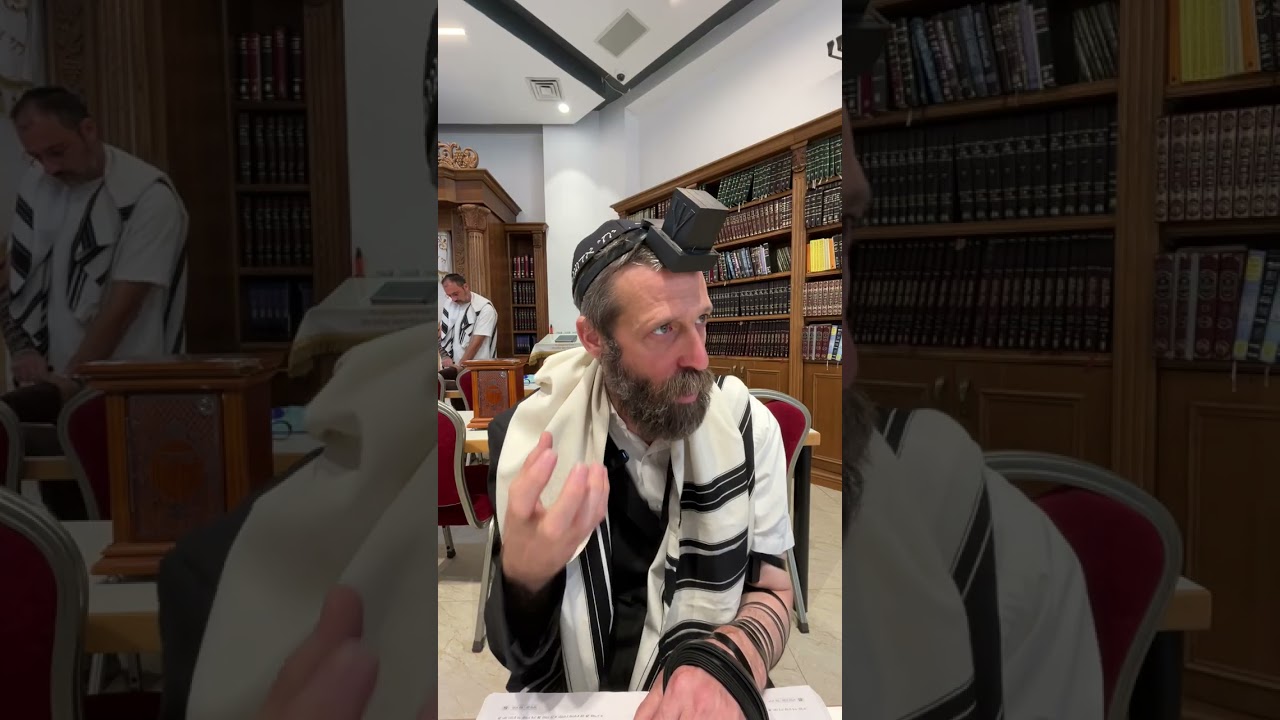

ויקצוף משה – מתי מותר כעס ומתי אסור | הרב מנחם מיידנצ'יק, ב' חשוון | אגרות הקודש סימן כ"ה
Likoutei Moharan Moussar
ב' חשוון, אגרת כ"ה, עמוד 280, תניא. "כָּל הַכּוֹעֵס כְּאִילּוּ עוֹבֵד עֲ"זָ" בעניינים גשמיים. אבל "בְּמִלֵּי דִּשְׁמַיָּא" בענייני שמיים, "לְהַפְרִישׁ שֶׁמֵּאִיסּוּרָה", לא שייך "הֵיתָמָה דְּאָמְרַן." לומדים ממשה רבינו: "וַיִּקְצֹף מֹשֶׁה" כי "הַשֵּׁם יִקְרֶה לְפָנָיו מִצְוָה זוֹ לְפָרֹשׁ שֶׁמֵּאִיסּוּרָה." "אַךְ זֶהוּ כְּשֶׁיֵּשׁ בְּיָדוֹ לִמְחוֹת" להניע את חברו "בְּקִצְפּוֹ וְכַעֲסוֹ", אז מותר בעניינים של יהדות ויראת שמיים. אבל "כְּשֶׁאֵין בְּיָדוֹ לִמְחוֹת", "כְּגוֹן נָכְרִי הַמְּדַבֵּרוֹ מְבַלְבְּלוֹ בִּתְפִלָּתוֹ" — "אֵין זֹאת כִּי" כדי שיתגבר ויתאמץ "עַד שֶׁלֹּא יִשְׁמַע דִּבּוּר הַנָּכְרִי." "אַךְ שֶׁלְּמַדְרֵגָה זוֹ צָרִיךְ הִתְעוֹרְרוּת רַבָּה וַעֲצוּמָה." ה"עֵצָה הַיְּעוּצָה" — שישים על ליבו ויתבונן בירידת הנשמה "כְּבִיכוֹל", ובניצוץ שכינה "שָׁרוּי בְּחִינַת גָּלוּת" בתוך הקליפות. "כִּי זֶה לְעֻמַּת זֶה." "וְדִיבּוּר הָעֶלְיוֹן מִתְלַבֵּשׁ בְּדִיבּוּר הַתַּחְתּוֹן." "וְזֶהוּ מַמָּשׁ אֲשֶׁר שָׁלַט הָאָדָם בָּאָדָם לְרַע לוֹ." ניצוץ שכינה בגוי שמפריע, "בְּחִינַת גָּלוּת בְּיוֹתֵר." "וְאֵין לִתְמֹהַ" — אפילו מלאכים נקראים בשם השם. ההפרעות לא באות להוריד אותנו, אלא להרים. שיהיה לנו בשורות טובות בקרוב. #תניא #חסידות #אגרותקודש #כעס #תפילה #גאולה #שכינה #חשוון #יהדות
Extrait du cours
We are today in the Tanya, Iggeret HaKodesh, page 280. We will talk today about a very important point: the point of anger, how it is a bad thing when a person gets angry, as we have already discussed at the beginning of the Iggeret, that it is written: whoever is angry is as if he serves idols. And one must see the matter of Divine Providence in every thing and matter. The Alter Rebbe actually explains here that after all these things and truths, which are revealed and known to all.
Transcription1683 mots
Transcription automatique — peut contenir des erreurs.
We are today in the Tanya, Iggeret HaKodesh, page 280. We will talk today about a very important point: the point of anger, how it is a bad thing when a person gets angry, as we have already discussed at the beginning of the Iggeret, that it is written: whoever is angry is as if he serves idols. And one must see the matter of Divine Providence in every thing and matter. The Alter Rebbe actually explains here that after all these things and truths, which are revealed and known to all.
Now he returns to the first subject he spoke about at the beginning of the chapter, the beginning of the Iggeret, regarding anger, that it is like serving idols. That is, but he emphasizes that this is specifically in matters of the world. For everything is in the hands of Heaven except for the fear of Heaven. Meaning, everything is in the hands of the Holy One, blessed be He, and therefore we have nothing to be angry about.
Except for matters of fear of Heaven, where he will say that in this there is indeed a matter of anger; and therefore, in matters of Heaven, to separate from prohibitions, when one wants to separate a person from a transgression, yes, when speaking of matters of Judaism and fear of Heaven, the aforementioned point does not apply, the point we said earlier that there is no reason to be angry about damage or anything caused to a person. And as it is written, we learn this from Moses our
Teacher: it is written "And Moses was angry," and this is because God brought this commandment before him to separate from a prohibition. That is to say, if the Holy One, blessed be He, brings a certain situation before us to separate someone from a prohibition in order to help them merit, yes? To help that person merit, then the anger is only for the sake of benefit.
It is not really internal anger, but the anger actually comes to awaken. It is like when parents are angry at a child regarding a certain matter. So a person must work with the trait of anger. But if I want to separate someone from a prohibition, if I know that I will influence him, then the matter of anger is permitted.
>> Yes. But this is when it is in his power to protest, this is what the Alter Rebbe emphasizes, that it is in his power to protest to stop his fellow in his anger and wrath toward his friend. Then it is permitted in matters of Judaism and fear of Heaven. But when it is not in his power to protest, if you cannot protest or you want to bring someone close, or if a person will not listen to you, or for example, a non-Jew who speaks to him, confuses him in his prayer, a gentile comes, starts to confuse, someone screams at you.
If so, what did God do? Why did the Holy One, blessed be He, cause him to be disturbed in his prayer? It is only so that he will overcome and strive more in his prayer from the depths of the heart. If someone comes to disturb a person in Torah study or prayer, but the Alter Rebbe emphasizes here, in prayer from the depths of the heart and with such great intention, that he will not hear the speech of the non-Jew.
That is to say, the purpose that the gentile came to disturb him is not to bring him down, but to awaken in him a deeper point, a stronger connection in prayer. But for this level, a great and tremendous awakening is needed. A suggested advice for this awakening is this very matter: that he should take it to heart and contemplate the concept of the soul's descent, so to speak, and you will see wonders; he should look at the descent of the soul, how it descended—what is called
being hewn from under the Throne of Glory—and descended here below to this lowly world, in order for a spark of its essence to be clothed, yes, within the husks (kelipot). They are an aspect of exile within the husks, generally speaking, that there is also Divine vitality within the husks, for the husks also draw from holiness.
And the whole reason they draw from it is for the sake of free choice, and in order to extract from them what is called— The sparks that are found within the exile. And now, this spark is clothed in the aspect of exile, specifically in speech: a non-Jew who speaks confusing words during the service of God, which is the intent of prayer; the non-Jew intentionally wants to disturb him, as was explained earlier. For "one corresponds to the other." As much as a person overcomes more, the husks also come to disturb him. It doesn't mean anything is wrong with the holiness; the more one overcomes, the more obstacles and delays there are.
That doesn't mean it is bad, rather it comes to elevate him to a higher level, and the speech, the divine spark is clothed in the lower speech, and this is truly "man has dominated man to his detriment ." Meaning, this is a case where the non-Jew has within him an aspect of a spark of holiness in exile, and he utilizes that same spark that animates him to disturb the Jew in prayer. It is like the husk that dominates the holiness. For what purpose? To add vitality to the holiness.
So that a person will pray with more intent and more enthusiasm. So if a person contemplates the great and wonderful descent of the Shechinah (Divine Presence) into exile, which is especially present in this matter of the non-Jew who disturbs him in prayer, then this thing awakens him to pray even more with intent—the person, yes —so that there will already be the redemption of the Shechinah; for he sees—see where the sparks are found within the exile. Meaning that through this, through the contemplation, a person is awakened
to pray more with intent from the depths of his heart, until he does not hear the words of the non-Jew; he will not hear them. And here, essentially, are explained the words of the Baal Shem Tov in the book called Tzava'at HaRivash, as we said.
As we already said, it is not his "will "(tzava'ah), but that is what they called the book, and his disciples wrote it, not the Baal Shem Tov himself , that a non-Jew who speaks during prayer and disturbs a Jew, the Shechinah is actually clothed within him, is found within him, because everything in the world has a spark of holiness, but this spark is in a state of exile within the non-Jew. And furthermore, there is a positive intent here—what is the positive intent? To bring the Jew to contemplate the exile of the Shechinah. How much the Shechinah is in exile and what state a person is in, and this will lead him to pray and ask for the redemption.
Meaning, sometimes a person does not realize he is stuck in the mud; you need someone to awaken him. Sometimes a person gets used to the exile, and it seems to him like a true reality, a reality that is okay. But the moment there are disturbances, then by virtue of these disturbances, the person awakens and asks for the redemption. And what the compiler wrote now, the Admor HaZaken gives here a matter that the same compiler drew from the Baal Shem Tov.
Yes, he writes "shrata," so he says he didn't know how to adjust the language grammatically, because the Baal Shem Tov said these things in Yiddish and not in the Holy Tongue, and he meant that the truly correct word should have been "hitlabsha," not " shrata." Doesn't it have that meaning? The meaning relates to the revelation of the Divine Presence, but "hitlabsha" no, there is no revelation here, but rather it was clothed, and that is a level of exile; it is exile, not revelation, especially if it is a gentile, a profane person. Meaning, especially according to the interpretation that it refers to the indwelling of the Divine Presence. So why would the Divine Presence dwell within a gentile who is hindering a Jew ?
Rather, it is then a greater state of exile. And one cannot deny that a spark from the light of the Divine Presence is called by the name "Divine Presence. " It is impossible to deny it, if I say that the spark found in that gentile is called the Divine Presence, that same spark. For we have seen that even regarding angels, they are called by names associated with Divinity.
That even a created angel, not a spark of the Divine Presence, is called by the Name of God. In the portion of Vayera, yes, after all, he says to Him, he says in the portion of Vayera: "And he said, 'My Lord (Adonai), if now I have found favor in your eyes.'" Yes, "Adonai," yes. And according to Maimonides ' interpretation, Abraham said that to the leader of the angels of the world. Just as it is written about Hagar, what is written?
She called the name of the Lord who spoke to her; that is to say, she called the angel by the Name of the Lord. So we see that even angels are called by the Name of the Holy One, blessed be He, so there is no problem in referring to a spark of Divinity and calling it the Divine Presence. So it is in many places. In any case, we must remember that all the obstacles and delays we have in life, and all the matters that are hindrances, one must understand that all these hindrances do not come to bring us down, but rather they come to lift us up, and may we have good tidings soon.
M.