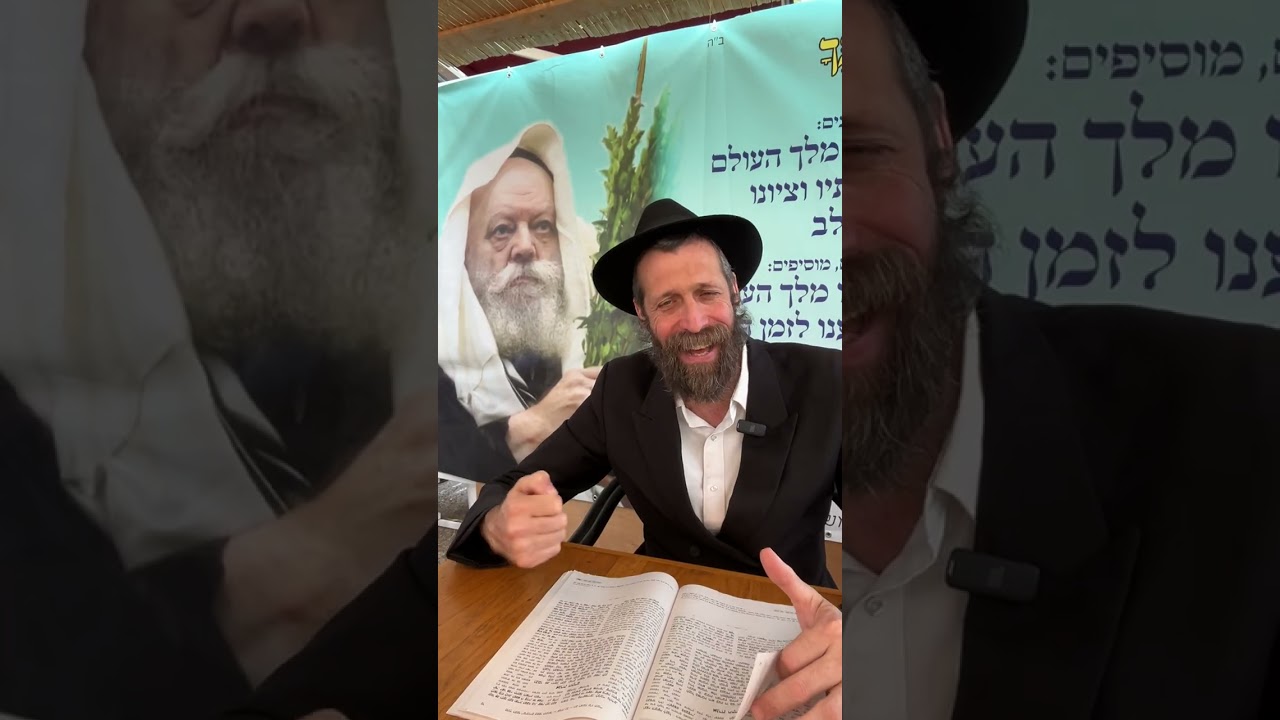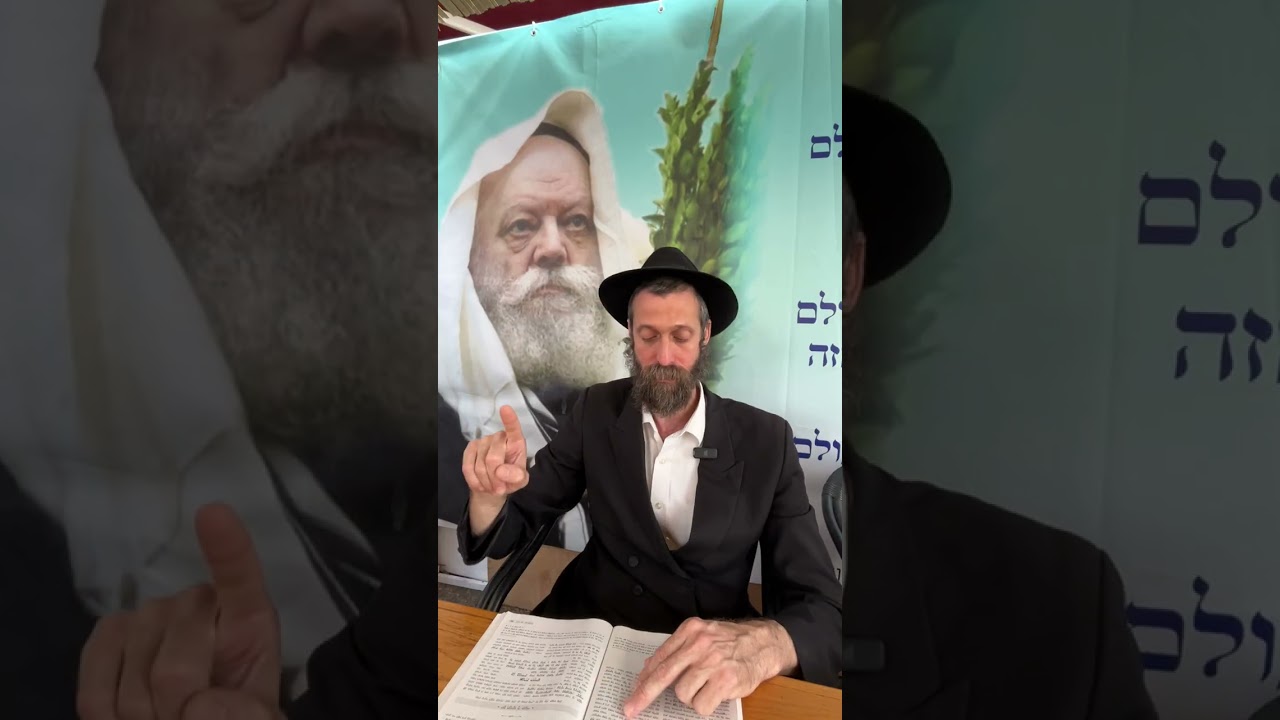
עשרה שיושבים ועוסקים בתורה – שכינה שרויה | הרב מנחם מיידנצ'יק, כ' תשרי | אגרות הקודש סימן כ"ג
Etude de Torah Kabbala & Spiritualité
היום כ' תשרי — עמוד 270 — תניא — אגרת הקודש. אדמו"ר הזקן אומר ללמוד בין מנחה לערבית "עֵין יַעֲקֹב" — אגדות הגמרא — וגם הלכות בפועל — "אֲשֶׁר יַעֲשׂוּן" — שולחן ערוך. ובהקדמה לכך מסביר "הַהַפְלָאָה הַגְּדוֹלָה וַעֲצוּמָה" — "בְּהַשְׁרָאַת הַשְּׁכִינָה" ששורה בבני ישראל בשעת לימוד תורה בציבור. "בִּגְזֵרַת עִירִין פִּתְגָּמָא" — חכמי המשנה עליהם השלום ששנו: "עֲשָׂרָה שֶׁיּוֹשְׁבִים וְעוֹסְקִין בַּתּוֹרָה — שְׁכִינָה שְׁרוּיָה בֵינֵיהֶם." "כִּי זֶה כָּל הָאָדָם" — "וְאַף גַּם זֹאת הָיְתָה כָּל יְרִידָתוֹ בָּעוֹלָם הַזֶּה יְרִידַת נִשְׁמָתוֹ" — "אֲשֶׁר אֵין עֲלִיָּה לְמַה מִמֶּנָּה." "כִּי אֲנִי הַשֵּׁם שֹׁכֵן בְּתוֹךְ בְּנֵי יִשְׂרָאֵל" — על ידי עסק התורה בעשרה — "אֶת תּוֹךְ תּוֹכוֹ." "וְנִקְדַּשְׁתִּי בְּתוֹךְ בְּנֵי יִשְׂרָאֵל" — גזירה שווה מ"תּוֹךְ." מהמרגלים — "הִבָּדְלוּ מִתּוֹךְ הָעֵדָה הָרָעָה הַזֹּאת" — עשרה מן המקיף של הרע. "וּבְקִרְבְּךָ קָדוֹשׁ" — "אֵין דָּבָר שֶׁבִּקְדוּשָּׁה פָּחוֹת מֵעֲשָׂרָה." "אֲפִלּוּ אֶחָד שֶׁיּוֹשֵׁב וְעוֹסֵק בַּתּוֹרָה" — "קוֹבֵעַ לוֹ שָׂכָר" — אבל לעניין "הַשְׁרָאַת הַקְּדוּשָּׁה" — "אֵין לוֹ עֵרֶךְ אֲלֵיהֶם כְּלָל" — "וְהֶפֶרֶשׁ שֶׁבֵּין הַשְׁרָאָה לִקְבִיעַת שָׂכָר — מוּבָן לַמְּבִינִים." #תניא #חסידות #אגרותקודש #תורה #מניין #שכינה #תשרי #יהדות
Extrait du cours
Today we will speak about a point the Alter Rebbe addresses : the great importance of a quorum of ten people, learning in a group of ten, not alone; there is a very great quality to learning with ten. Also, studying Ein Yaakov, which actually deals with the legends of the Torah and the Gemara, distilling and explaining them very beautifully; he says it is very important to study it. Let's see inside: So the Alter Rebbe says to actually learn between Mincha and Maariv, in the afternoon, the Ein Yaakov, and of course to learn Halacha. It is very important to learn Halacha; sometimes people learn a lot of philosophy and ideas but don't learn practical Halacha.
Transcription1333 mots
Transcription automatique — peut contenir des erreurs.
Today, Chayenu page 270. In Tanya, Iggeret HaKodesh. Today we will speak about a point the Alter Rebbe addresses : the great importance of a quorum of ten people, learning in a group of ten, not alone; there is a very great quality to learning with ten. Also, studying Ein Yaakov, which actually deals with the legends of the Torah and the Gemara, distilling and explaining them very beautifully; he says it is very important to study it.
Let's see inside: So the Alter Rebbe says to actually learn between Mincha and Maariv, in the afternoon, the Ein Yaakov, and of course to learn Halacha. It is very important to learn Halacha; sometimes people learn a lot of philosophy and ideas but don't learn practical Halacha. So both the Alter Rebbe and the Rebbe speak about this a lot in Iggerot Kodesh, that one must learn practical Halacha, because one needs to know the law of what to do, Shulchan Aruch. And as an introduction to this, he
explains the great and immense wonder of the Divine Presence ( Shechinah) that rests upon the Jewish people when they learn Torah specifically in public; yes, this is a level of Shechinah that is revealed as a great reward in the future to come, but as a form of inspiration, it rests upon the Jews when they learn Torah in public—we receive a glimpse of the inspiration that will be in the future to come.
So he begins with words in Aramaic: "By the decree of the holy watchers and their words"—by the decree of the angels the matters are said. Yes, yes, this is an expression of our Sages used for Torah scholars, who are like ministering angels, that the Sages of the Mishnah are like angels. What did they say? The Sages of the Mishnah, of blessed memory, who taught in their Mishnah: ten who sit and occupy themselves with Torah, the Shechinah dwells among them.
This is a very high matter concerning ten Jews. Wherever there are ten Jews, it is written, "Among ten, the Shechinah dwells." Any place where 10 Jews are found, it dwells, but it dwells as a surrounding light. For it to dwell within, ten Jews must sit and study Torah, just as the Alter Rebbe brings in the first part of the Tanya, at the end of chapter 11, that ten Jews who study Torah together—the Shechinah dwells among them in an internal way. For this is the whole of man, as the Gemara explains in Brachot regarding the verse "For this is the whole of man ," for the entire world was created only for this.
And furthermore, this was the entire descent into this world, the descent of the soul from its high level above—for the soul is spiritual . Why did it descend to this physical world? What did we come into the world for? Is there a purpose for why God created a descent?
Every descent is for the sake of an ascent. So the Holy One, blessed be He, did not just put a person in the world, He gave him a goal . It's not for nothing that we have descents in life. Yes.
It is for the sake of an ascent. How is the ascent achieved? By studying Torah, the soul is elevated more than it was before. Is there no greater ascent than this?
There is no ascent that is greater than this. Yes? That is to say, this is why the soul descended below. So when the soul leaves the body, it is elevated— how do we say?—to a much higher level .
But when the soul is in the body, then there is of course an ascent within the body while it is inside the body. By what means? By studying Torah, we learn in a group of ten; yes, what is called communal Torah study. For the Divine Presence, the one in the highest heights that the heavens and the heaven of heavens cannot contain—the awe of all the heavens—shall dwell and be magnified among the Children of Israel, as it is written: "For I am the Lord who dwells among the Children of Israel ." How does the Holy One, blessed be He , dwell among us?
Through the engagement in Torah and commandments with a group of ten. Specifically, as the Sages said, "within them"[betocham] . Meaning, we learn a*gezerah shavah*( analogy) from the word*betoch*. It is written once in the Torah "and I will be sanctified among the Children of Israel"[*betoch*], and regarding the spies it is written—the spies were 12 , but 10 sinned—it is written "from among the congregation"[*mitoch*].
So from this, we learn that every matter of holiness must be with ten Jews specifically. In one of his talks, the Rebbe Rayatz, the previous Chabad Rebbe , explains this. Why is the matter of a congregation of ten learned specifically from the "among"[*betoch*] of the spies, who did something truly evil? Yes?
Because about them it is written: "Separate yourselves from among this evil congregation." Yes. Yes . So he says that Moshe Rabbeinu warned them: "Separate yourselves." Meaning he said to separate from the encompassing evil. Evil is encompassing.
Yes. Because a person can rectify their internal aspects. But one must be wary of the encompassing. There are things a person can rectify.
And things a person must flee from, distance themselves from. So the same can be said regarding holiness, referring to the encompassing nature of holiness, because "holy" is an encompassing, lofty thing. The word "holy," we say the Holy One, blessed be He, is an encompassing, lofty reality. Holiness in its greatness is something lofty, encompassing.
And what is the renewal regarding the ten? One goes to the synagogue, prays with a minyan, goes to study Torah with ten. Because the moment there are ten Jews, the encompassing light of holiness, which is usually separate, rests upon those ten Jews. And about this it is said: " For great is the Holy One in your midst ." Yes, this is written in Isaiah 12, that the aspect of the Holy One is separate, yet it is "in your midst," in an internal way.
And there is no matter of holiness with fewer than ten, as the Gemara says there in Berakhot. So, for it to be "in your midst," it is specifically through the study of Torah . And why? Exactly, why?
Because the Sages also needed to learn from Scripture, from where do we know that even one who sits and studies Torah...? And this is also learned in Ethics of the Fathers; how do we know that even for a person sitting alone, the Divine Presence is with him? The Holy One, blessed be He, determines a reward for him, but it is not like with ten. And even that, they found no source in Scripture except for the determination of reward; that which they said one who sits and studies receives a reward is a matter of reward according to his value and the value of the many.
Of course, it is not the same as an individual versus the many, but regarding the dwelling of the Holy One’s holiness, there is no comparison at all between an individual studying Torah and someone studying in a group. The difference between the dwelling of the Divine Presence and the mere granting of a reward—between the presence of holiness achieved through communal Torah study and the reward received by an individual—is understood by those with insight. And therefore, it is important to go to Torah classes where there are many,
or to go and pray with a minyan. Even if a person prefers to pray at the synagogue without a minyan, it is obviously better to pray with a minyan, where the Divine Presence rests , prayers are better accepted, and when studying Torah, one receives much greater holiness, as it is with ten people.